
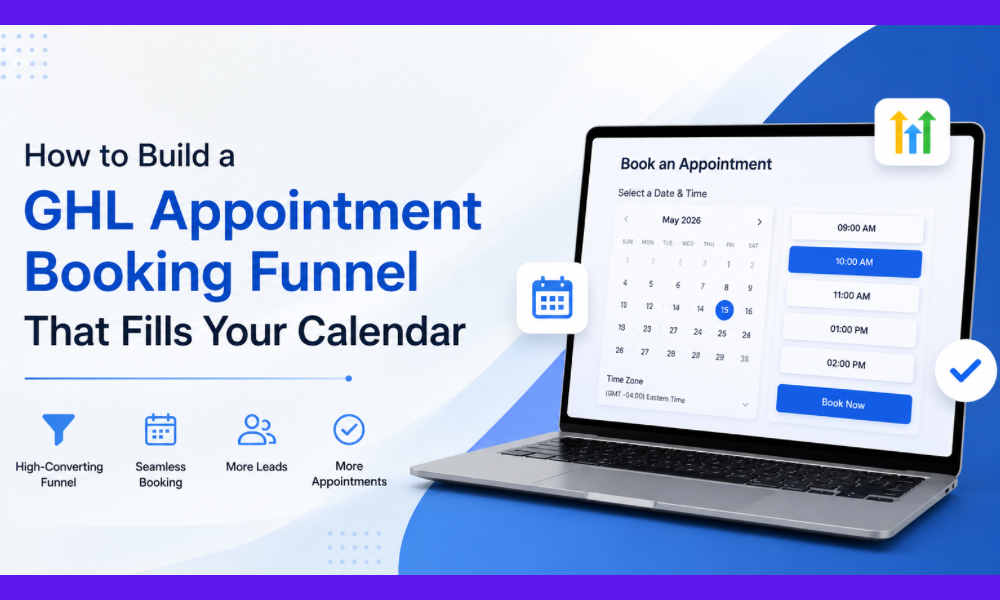
An appointment booking funnel should do much more than place a calendar on a landing page and wait for people to choose a time. When built properly, it becomes a complete conversion system that moves potential customers from initial interest to a confirmed appointment while reducing hesitation, missed opportunities, and unnecessary manual follow-up. For agencies, consultants, coaches, healthcare businesses, home service companies, and other appointment-driven organizations, the quality of this process can directly influence how much revenue is generated from existing marketing traffic.
The problem is that many businesses focus almost entirely on generating leads. They invest in advertising, SEO, social media, email marketing, and content, but the experience between the first click and the actual sales conversation receives much less attention. A prospect may arrive on a landing page with genuine interest, yet a confusing form, a weak offer, an inconvenient scheduling process, or a delayed response can cause that opportunity to disappear.
GoHighLevel provides businesses with the tools to connect landing pages, forms, calendars, CRM records, workflows, reminders, and customer communication within a single booking journey. However, simply having access to those tools does not automatically create a high-converting funnel. The strategy behind the funnel matters just as much as its technical setup.
Businesses using professional gohighlevel crm services, working with a certified gohighlevel ghl expert, collaborating with a gohighlevel automation expert, investing in gohighlevel automation services, or deciding to hire gohighlevel expert support can build booking systems that focus on the entire prospect experience rather than treating appointment scheduling as an isolated step.
Start With the Appointment You Actually Want People to Book
Before designing a page or creating an automation, define exactly what the appointment represents. A common mistake is offering a vague “Book a Call” option without giving prospects enough context about why the conversation is valuable. People are much more likely to reserve time when they understand what will happen during the meeting and what they can expect to gain from it.
A marketing agency might offer a strategy consultation to identify weaknesses in the prospect’s lead-generation process. A home service company might provide an estimate appointment. A consultant might offer an assessment designed to determine whether their service is appropriate for the prospect. Each appointment has a different purpose, and the funnel should communicate that purpose clearly.
This clarity also helps businesses qualify appointments more effectively. Filling a calendar with people who have little interest, no purchasing authority, or no genuine need for the service does not improve sales performance. The objective is not maximum booking volume at any cost. It is creating enough confidence and relevance that appropriate prospects want to speak with the business.
A well-structured system supported by gohighlevel crm services can connect appointment information with CRM records so sales teams understand why the prospect booked before the conversation begins. That context creates better sales discussions and prevents representatives from starting every appointment by asking questions the prospect has already answered.
Design the Funnel Around One Clear Decision
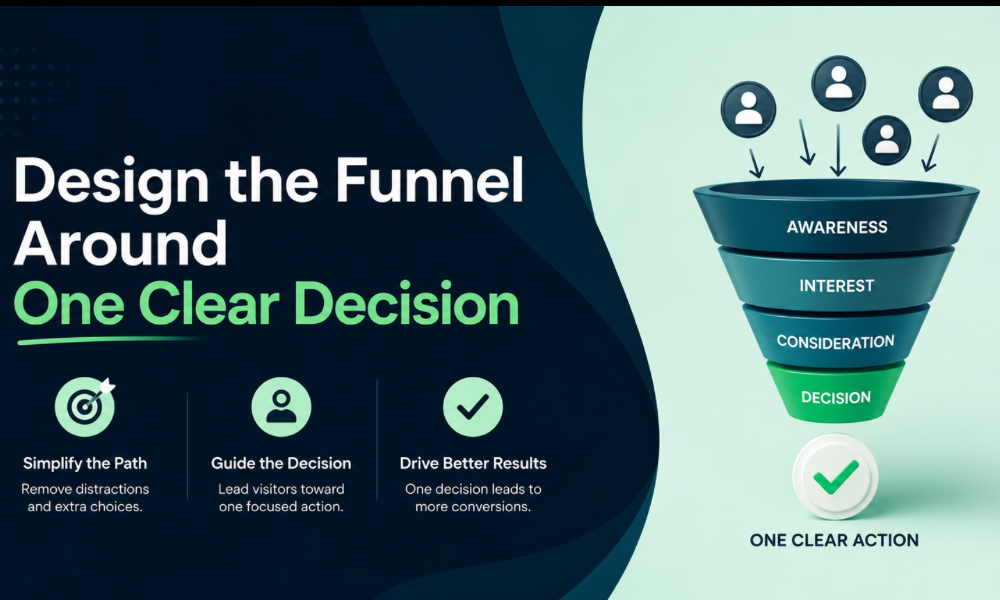
Booking funnels often underperform because businesses ask visitors to do too many things. The page contains navigation links, multiple service options, social media buttons, several offers, downloadable resources, and competing calls to action. Every additional choice gives visitors another opportunity to leave the booking journey.
A strong appointment funnel should have one primary objective: move a qualified visitor toward scheduling the appropriate conversation.
That does not mean the page should be empty. Prospects still need enough information to decide whether booking is worthwhile. The page should explain the problem being addressed, establish the value of the appointment, reduce uncertainty, and provide enough credibility for visitors to feel comfortable moving forward. However, every section should ultimately support the same decision rather than directing attention elsewhere.
A certified gohighlevel ghl expert can structure the funnel so that page design, form fields, calendar availability, CRM organization, and follow-up workflows operate as one continuous process. This is important because conversion problems are rarely caused by a single button. They usually emerge from friction across several small steps.
Make the Booking Experience Feel Shorter Than It Is
Businesses naturally want information about prospects before investing time in appointments. They may want to know the customer’s company size, budget, location, requirements, current challenges, preferred service, and purchasing timeline. These questions can improve qualification, but asking too much too early can reduce booking completion.
The solution is not necessarily removing qualification. It is designing it intelligently.
The booking journey should request only the information necessary to determine whether the prospect is appropriate and prepare the team for the conversation. Questions should feel relevant rather than intrusive. If a piece of information can reasonably be collected later, businesses should consider whether it belongs before the appointment is confirmed.
The perceived effort matters as much as the actual number of fields. A clean, logically ordered process feels easier than a cluttered form even when both request similar information. Mobile usability is especially important because a prospect who discovers a business from social media, search, or an advertisement may attempt to schedule directly from a phone.
An experienced gohighlevel automation expert can also use the information collected during booking to determine what should happen next. Different answers can trigger different internal actions, customer communication, or pipeline movements, making qualification useful beyond the initial form.
Calendar Availability Can Influence Conversion More Than Expected
The calendar itself deserves strategic attention. Businesses sometimes configure availability based entirely on internal convenience without considering how prospects prefer to schedule. If someone is ready to speak with a company but the first suitable appointment is too far away, interest may decline before the meeting ever occurs.
Availability should balance operational capacity with buyer momentum. Businesses need enough appointment options to make scheduling convenient without creating a calendar that employees cannot realistically manage.
The length of the meeting also matters. A 60-minute introductory call may feel like a significant commitment for someone still evaluating options, while an extremely short appointment may not provide enough time for meaningful qualification. The appropriate duration depends on the complexity of the service and the purpose of the conversation.
Companies using gohighlevel automation services can build scheduling logic around their actual operations instead of manually coordinating every appointment. When availability, confirmation, reminders, and CRM activity are connected, the calendar becomes part of the sales infrastructure rather than a standalone scheduling utility.
The Thank-You Page Should Continue Selling the Appointment
The moment someone schedules is not the end of the funnel. In many ways, it begins a new stage.
There is often a gap between booking and attending. During that period, enthusiasm can decline, another priority can appear, or the prospect may simply forget why the appointment seemed important. A generic confirmation page does little to maintain momentum.
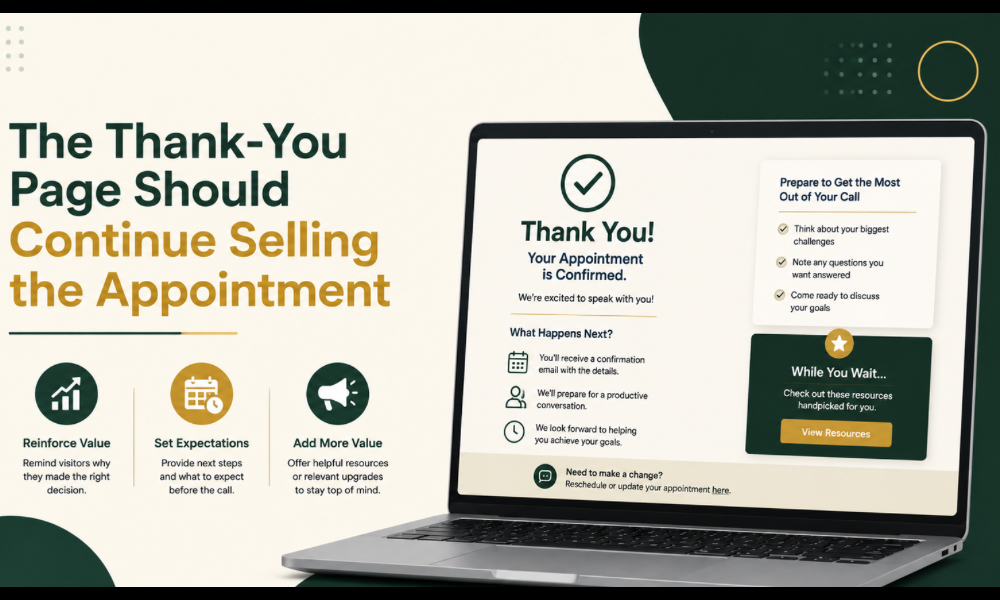
A stronger thank-you experience reinforces the decision the prospect just made. It can confirm the appointment details, explain what will happen next, tell the prospect how to prepare, and establish expectations for the conversation. Businesses can also use this moment to provide a relevant case study, short educational resource, or additional context that increases confidence before the meeting.
The goal is not to overwhelm someone with more marketing immediately after they book. It is to reduce uncertainty. When prospects know who they will speak with, what will be discussed, and what they should prepare, they are more likely to treat the appointment as a meaningful commitment.
Businesses that hire gohighlevel expert support can connect this post-booking experience with the CRM so the customer-facing journey and internal sales process remain synchronized.
Confirmation Messages Should Feel Like Service, Not Automation
A prospect who has just reserved time wants reassurance that the booking worked. Confirmation should therefore happen immediately and communicate the essential information clearly.
This is where automation should feel invisible.
The customer does not need to know that a workflow triggered a message. They simply need to feel that the business is organized and responsive. The confirmation can include the appointment date, time, meeting format, rescheduling information, and any preparation required.
Poorly designed automation often damages this experience by sending too many messages. A prospect books one appointment and suddenly receives several emails and texts within minutes. Instead of increasing attendance, excessive communication can make the business appear aggressive.
A skilled gohighlevel automation expert should build communication around usefulness rather than volume. Every automated message needs a reason to exist. If a message does not provide information, reduce uncertainty, strengthen commitment, or encourage an appropriate action, it may not be necessary.
Appointment Reminders Should Reduce No-Shows Without Becoming Annoying
No-shows are one of the most expensive weaknesses in appointment-based businesses because the cost is higher than an empty calendar slot. Marketing resources were spent generating the lead, employees prepared for the meeting, and another prospect may have been unable to reserve the same time.
Effective reminders help protect that investment.
The timing should reflect how far in advance appointments are normally booked. Someone scheduling for later the same day requires a different reminder pattern from someone booking two weeks ahead. Communication should also make rescheduling straightforward. A prospect who cannot attend but can easily select another time is significantly more valuable than one who simply disappears.
Professional gohighlevel automation services can support different reminder sequences depending on appointment type, timing, or customer segment. This creates a more relevant experience than sending identical messages to everyone.
The objective is not to chase prospects until they attend. It is to make keeping the appointment easy and make changing it equally easy when circumstances change.
Your CRM Should Know What Happened After the Appointment
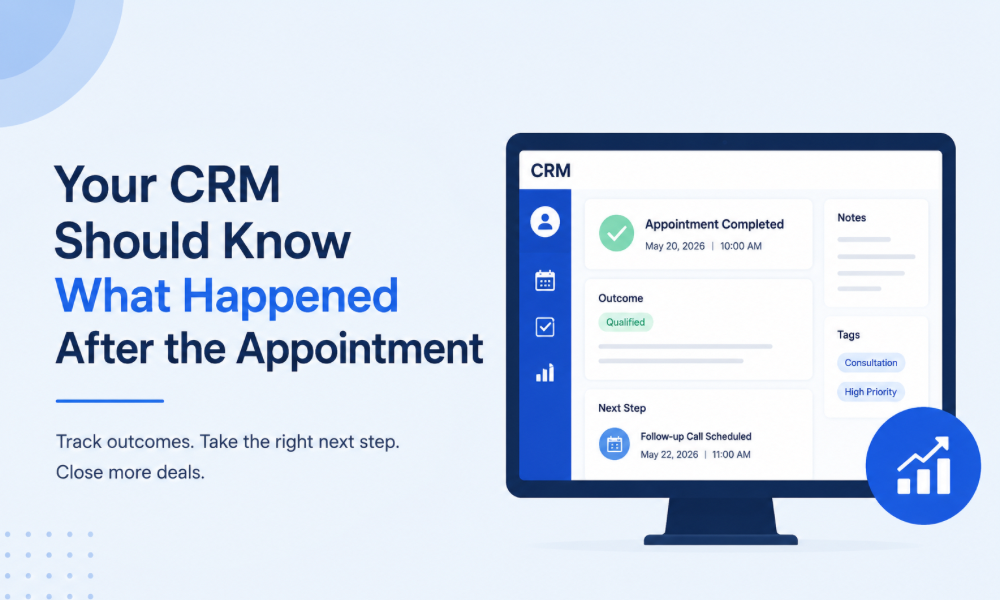
Many booking funnels are carefully optimized until the meeting begins, and then tracking becomes inconsistent. This creates a major blind spot. If the CRM does not clearly record whether an appointment was attended, cancelled, rescheduled, qualified, converted, or required further follow-up, businesses cannot accurately evaluate funnel performance.
A booking is not the final conversion for most service companies. Revenue is.
This is why gohighlevel crm services should connect calendar activity with sales pipeline management. Businesses need to understand not only how many appointments marketing generates but how many become genuine opportunities and eventually paying customers.
That information changes marketing decisions. One campaign might produce fewer bookings but significantly stronger customers, while another generates a full calendar of low-quality appointments. Looking only at booking numbers could lead the company to invest in the wrong campaign.
A properly structured CRM provides the visibility required to distinguish activity from business results.
A Full Calendar Is Useful Only When the Right People Are on It
The ultimate purpose of a GoHighLevel appointment funnel is not to create the appearance of demand. It is to produce conversations capable of moving the business forward. That requires alignment between traffic sources, messaging, qualification, scheduling, automation, CRM management, and sales follow-up.
A certified gohighlevel GHL expert can help connect these elements technically, while strategic planning ensures the system reflects how customers actually make decisions. A gohighlevel automation expert can remove repetitive work, but automation should never compensate for an unclear offer or weak customer journey. Professional gohighlevel automation services can improve consistency, while strong gohighlevel crm services ensure the business understands what happens after prospects enter the funnel.
For organizations that choose to hire gohighlevel expert support, the most valuable outcome is not simply having another funnel built. It is creating a booking engine that captures interest while it is strong, makes scheduling effortless, prepares prospects for meaningful conversations, reduces avoidable no-shows, and gives sales teams the information they need to convert appointments into customers.
That is the difference between putting a calendar on a website and building an appointment funnel that genuinely contributes to growth.
The Best Booking Funnels Start Before Visitors Reach the Calendar
A high-performing appointment funnel does not begin when someone sees the booking calendar. It begins with the message that brought the visitor to the funnel in the first place. A prospect arriving from a paid advertisement may have different expectations from someone who discovered the business through organic search, a referral, an email campaign, or social media. If the promise made before the click does not match what appears on the booking page, even an exceptionally designed funnel can struggle to convert. This is why businesses need continuity between traffic acquisition and appointment scheduling. The headline, offer, language, and purpose of the appointment should feel like a natural continuation of whatever motivated the visitor to click. Professional gohighlevel crm services can help businesses preserve this context by tracking lead sources and connecting them with CRM records, allowing teams to understand which acquisition channels generate not simply the most appointments but the most valuable sales conversations.
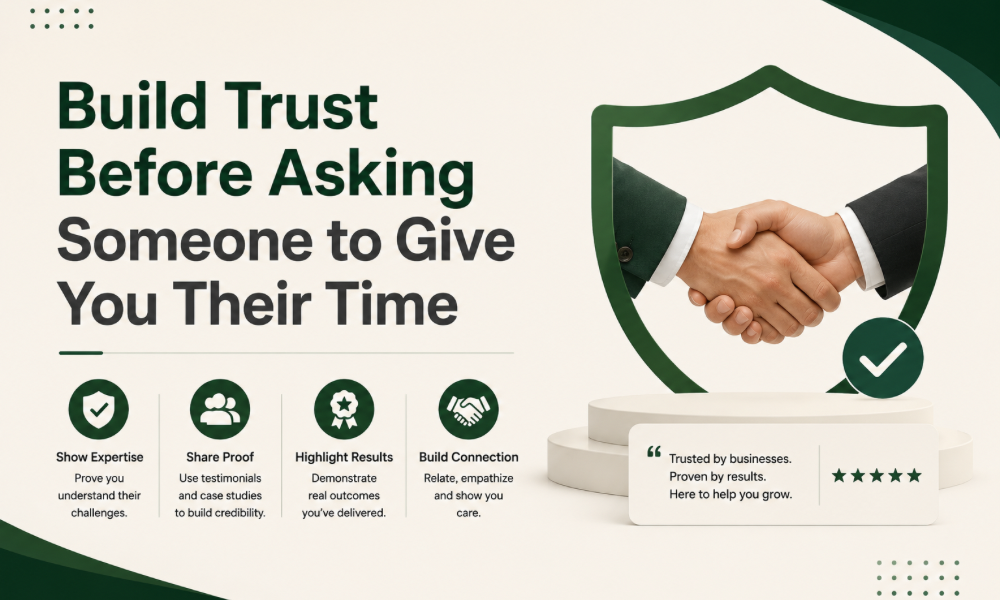
Build Trust Before Asking Someone to Give You Their Time
Booking an appointment requires a greater commitment than downloading a guide or joining an email list. A visitor is agreeing to dedicate part of their day to speaking with someone they may not know yet, which means trust plays an important role in conversion. Businesses should therefore provide enough evidence to make that commitment feel worthwhile before presenting the final scheduling decision. Trust can come from clearly explaining expertise, demonstrating an understanding of the customer’s problem, showing relevant results, and setting realistic expectations about the conversation. The objective is not to fill the page with exaggerated claims but to remove the uncertainty that makes prospects hesitate. A certified gohighlevel ghl expert can structure the technical journey effectively, but the funnel still needs persuasive messaging that answers the visitor’s unspoken question: “Why should I spend my time speaking with this company?” When the answer is clear, the calendar becomes a natural next step rather than an aggressive call to action.
Use Qualification to Improve Conversations Rather Than Block Prospects
Qualification is an important part of appointment funnels, particularly for businesses where sales consultations require considerable time. However, qualification should help create better conversations rather than becoming an unnecessary obstacle. Asking prospects to complete a lengthy questionnaire before they can even see appointment availability may discourage otherwise valuable leads. On the other hand, collecting no information can leave sales representatives entering calls without understanding what the prospect needs. The ideal approach sits between these extremes. Businesses should collect enough information to understand the prospect’s situation, determine whether the service may be appropriate, and prepare the representative for a productive discussion. A gohighlevel automation expert can then use responses intelligently within the workflow. Different prospect categories may require different internal notifications, pipeline stages, calendar options, or follow-up experiences. Qualification becomes more valuable when the information actively improves the customer journey rather than simply adding more fields to a form.