
How a Retail Store Automated Repeat Sales
For retail businesses, acquiring new customers is only half the battle. The real profitability comes from repeat purchases. However, many retail stores struggle to maintain consistent engagement with past customers.Manual follow-ups, inconsistent communication, and a lack of data often lead to missed opportunities for repeat sales.This case-style blog explores how a retail store transformed its operations using go high level automation to create a system that consistently drives repeat purchases.By leveraging structured workflows, personalized communication, and strategic gohighlevel marketing, the store increased customer lifetime value and reduced reliance on constant new customer acquisition.
The Initial Challenge: One-Time Buyers
The retail store had a steady flow of first-time customers, but repeat purchases were low.Key issues included:No structured follow-up after purchaseLimited customer engagement beyond transactionsNo system to track customer behaviorManual marketing efforts with inconsistent resultsThe business relied heavily on new customer acquisition, which increased marketing costs.To solve this, they partnered with a go-to high-level consultant to build a system focused on customer retention and repeat sales.
Step 1: Centralizing Customer Data
The first step was organizing customer data into a single system.Every purchase, interaction, and customer detail was captured within a centralized CRM.This allowed the business to understand:Purchase historyCustomer preferencesFrequency of visitsEngagement patternsWith support from GoHighLevel services, the store gained full visibility into customer behavior.This data became the foundation for personalized marketing and automation.
Step 2: Segmenting Customers for Targeted Campaigns
Not all customers behave the same way. Some purchase frequently, while others buy occasionally.The store used segmentation to group customers based on:Purchase frequencyProduct preferencesEngagement levelsWith GoHighLevel marketing, each segment received tailored communication.For example:Frequent buyers received loyalty rewardsInactive customers received re-engagement offersNew customers received onboarding messagesThis targeted approach improved engagement and increased the likelihood of repeat purchases.
Step 3: Automating Post-Purchase Follow-Ups
Previously, the store lacked a structured follow-up system after a sale.With go high level automation, every purchase triggered a sequence of follow-up messages.These included:Thank-you messagesProduct usage tipsRecommendations for related productsFeedback requestsThis consistent communication kept the brand top-of-mind and encouraged customers to return.
Step 4: Creating Timed Re-Engagement Campaigns
One of the most effective strategies was automated re-engagement.If a customer did not make a purchase within a specific timeframe, the system triggered a re-engagement campaign.These campaigns included:Personalized offersDiscount codesReminders about previous purchasesWith automation, these messages were sent at the right time without manual effort.The store tested these workflows during its GoHighLevel trial phase and quickly saw improvements in customer return rates. Learn more about GoHighLevel for eCommerce.
Step 5: Implementing Loyalty and Reward Automation
Customer loyalty programs were integrated into the system.Instead of manually tracking rewards, automation handled:Points accumulationReward notificationsExclusive offers for loyal customersWith GoHighLevel services, the store created a seamless loyalty experience that encouraged repeat purchases.Customers felt valued, which increased retention and long-term engagement.
Step 6: Using Multi-Channel Communication
The store expanded its communication strategy beyond email.With GoHighLevel marketing, they used:SMS notificationsPromotional messagesOrder updatesPersonalized offersAutomation ensured that customers received consistent communication across multiple channels.This increased visibility and improved engagement rates.
Step 7: Tracking Performance and Optimizing Campaigns
The store monitored key performance metrics such as:Repeat purchase ratesCustomer lifetime valueCampaign engagementConversion ratesThese insights allowed the business to refine its strategies.With guidance from a go high level consultant, the store continuously improved its automation workflows and messaging.
The Results: Consistent Repeat Sales Growth
After implementing these systems, the retail store achieved significant improvements:Higher repeat purchase ratesIncreased customer engagementImproved customer lifetime valueReduced dependency on new customer acquisitionThe business created a predictable system for generating repeat sales rather than relying on one-time transactions.
Key Takeaways for Retail Businesses
This case highlights several important lessons:Customer retention is more cost-effective than acquisitionAutomation ensures consistent engagementPersonalization improves conversion ratesData-driven strategies lead to better resultsRetail businesses that implement these principles can create sustainable growth.
The Role of GHL in Retail Automation
Go High Level provides the tools needed to automate customer engagement and retention.With go high level automation, businesses can:Automate follow-upsSegment customersDeliver personalized campaignsTrack performanceThrough structured goHighLevel marketing, retail stores can build long-term relationships with customers. Repeat sales are the foundation of long-term retail success. Businesses that focus only on acquiring new customers often struggle to scale profitably.By implementing automation, personalization, and data-driven strategies, retail stores can create systems that drive consistent repeat purchases. With the support of a skilled go-high-level consultant and advanced go-high-level services, businesses can transform their operations and drive sustainable growth.
Deep Dive Into the Repeat Sales Engine
What truly transformed this retail business was not just automation, but the creation of a complete repeat-sales engine. Instead of treating each purchase as a one-time transaction, the business redesigned its entire customer journey around lifetime value.Every interaction after the first purchase became intentional. With Go High Level Automation, the business mapped out exactly what a customer should experience after buying a product. This included when they should be contacted, what type of message they should receive, and how they should be encouraged to return.This shift from transactional thinking to relationship-based marketing enabled the business to consistently scale repeat sales.
Understanding Customer Purchase Cycles
One of the most important insights came from analyzing customer purchase cycles.The business discovered that most customers returned within a specific timeframe, depending on the product category. Some products required replenishment, while others triggered repeat purchases based on usage or seasonal demand.With this insight, the business used GoHighLevel marketing systems to align campaigns with natural buying behavior.Instead of sending random promotions, the system triggered messages at the exact moment customers were most likely to buy again.This timing precision significantly improved conversion rates and reduced unnecessary messaging.
Building Behavior-Based Automation
Traditional marketing often relies on fixed schedules, but this business moved toward behavior-based automation.With Go High Level Automation, workflows were triggered based on customer actions rather than just time.For example:If a customer clicked on a product link but did not purchase, they received a follow-up messageIf a customer purchased a product, they received related product recommendationsIf a customer became inactive, they entered a re-engagement sequenceThis dynamic approach ensured that communication was always relevant.A high-level consultant played a key role in designing these behavioral workflows to match real customer behavior. Our GoHighLevel automation specialists build these workflows end-to-end.
Creating Emotional Engagement Through Messaging
Automation alone does not guarantee results. The quality of messaging plays a critical role.The business focused on creating messages that felt personal, helpful, and relevant.Instead of generic promotions, messages were designed to:Provide valueOffer useful recommendationsCreate a sense of connectionWith gohighlevel marketing, the business crafted communication that felt like a conversation rather than a sales pitch.This approach increased trust and encouraged customers to engage with the brand repeatedly.
Leveraging Product Recommendations
Product recommendations became a major driver of repeat sales.Based on purchase history and behavior, the system suggested complementary or related products.For example:Customers who purchased one item were shown accessories or upgradesFrequent buyers received personalized bundlesSeasonal products were promoted based on past purchasesWith GoHighLevel services, these recommendations were automated and delivered through email and SMS campaigns.This increased the average order value and encouraged customers to explore more products.
Automating Seasonal Campaigns
Retail businesses often experience seasonal demand fluctuations.The store used automation to prepare and execute seasonal campaigns in advance.With Go High Level Automation, campaigns were scheduled and triggered based on specific dates and customer segments.For example:Holiday promotions were sent to active customersSpecial offers were delivered to high-value segmentsLimited-time campaigns created urgencyAutomation ensured that these campaigns ran smoothly without requiring constant manual oversight. Learn more about GoHighLevel for Small Businesses.
Reducing Customer Churn
Customer churn is a major challenge for retail businesses.The store implemented proactive strategies to reduce churn using automation.With GoHighLevel marketing, the system identified customers who had not made a purchase within a certain timeframe.These customers received targeted re-engagement campaigns designed to bring them back.Offers, reminders, and personalized messages helped re-capture their attention.By proactively addressing churn, the business retained more customers and increased overall revenue.
Enhancing Customer Experience Through Consistency
Consistency is a key factor in customer satisfaction.Before automation, communication was inconsistent and depended on manual effort.With go high level automation, every customer received a consistent experience.From the first purchase to follow-up communication, every interaction followed a structured process.This consistency built trust and improved brand perception.Customers knew what to expect and felt more connected to the business.
Using Data to Refine Strategies
Data played a central role in optimizing the system.The business tracked metrics such as:Repeat purchase frequencyCustomer lifetime valueEngagement ratesCampaign performanceWith GoHighLevel services, these insights were easily accessible and actionable.The business used this data to continuously refine its strategies.For example, if a campaign underperformed, adjustments were made to messaging or timing.This data-driven approach ensured ongoing improvement.
Scaling Without Increasing Workload
One of the biggest advantages of automation was scalability.As customer numbers grew, the system handled increased demand without requiring additional staff.With Go High Level Automation, the same workflows are applied to thousands of customers simultaneously.This allowed the business to scale efficiently while maintaining high-quality customer interactions.A go high level consultant ensured that the system was designed for scalability from the beginning.
Integrating Online and Offline Experiences
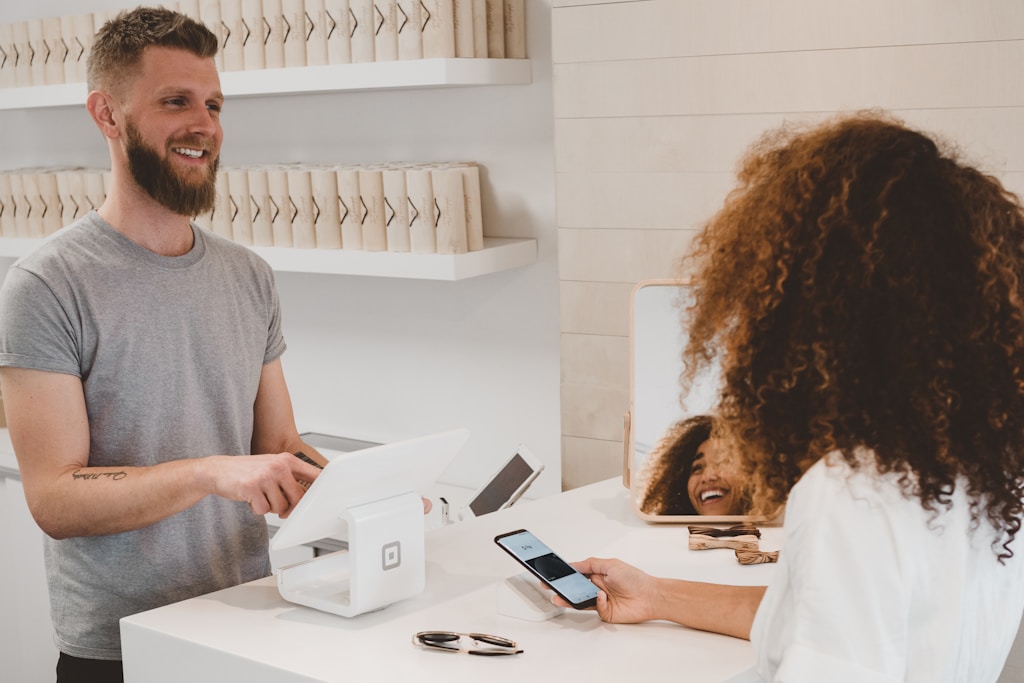
The retail store also integrated online and offline experiences.Customer data from in-store purchases was added to the CRM, allowing the business to engage customers digitally.For example:In-store buyers received follow-up messagesOffline purchases triggered online recommendationsCustomers were invited to return through digital campaignsWith GoHighLevel marketing, the business created a unified experience across all touchpoints.This integration strengthened customer relationships and increased repeat sales.
Building Long-Term Brand Loyalty
Automation helped the business move beyond transactions and focus on building loyalty.Customers were not just buyers—they became part of an ongoing relationship.With consistent communication, personalized offers, and valuable content, the business created a loyal customer base.Through gohighlevel services, loyalty programs, and engagement campaigns were integrated into the system.This encouraged repeat purchases and increased customer lifetime value. Book a free consultation →
Continuous Testing and Optimization
The business treated its system as a dynamic process.Campaigns, messaging, and workflows were tested regularly.With guidance from a go high level consultant, the business experimented with:Different message formatsVarious timing strategiesAlternative offersThis continuous testing ensured that the system remained effective and adaptable.Over time, these optimizations led to significant performance improvements.
Lessons for Retail Businesses
This case demonstrates several key principles that other retail businesses can apply:Repeat sales require structured systems, not random promotionsTiming and relevance are critical for engagementAutomation enables consistency and scalabilityPersonalization drives higher conversionsBusinesses that implement these strategies can create sustainable growth.
The Strategic Role of Automation in Retail
Automation is no longer optional for retail businesses. It is a strategic necessity.With go high level automation, businesses can manage customer relationships at scale while maintaining personalization.Through advanced goHighLevel marketing, companies can deliver targeted campaigns that drive repeat purchases.With support from GoHighLevel services, businesses can build systems that operate efficiently and continuously.The success of this retail store was not based on a single tactic. It was the result of a comprehensive system that combined automation, data, and strategy.By focusing on customer retention and repeat sales, the business reduced its reliance on constant acquisition and built a more sustainable model.With the right implementation of go high level automation, guided by an experienced go high level consultant, and supported by advanced gohighlevel services, retail businesses can transform their operations and unlock new growth opportunities.
Ready to implement this in your GHL account?
Book a free 45-minute strategy call. Our certified GoHighLevel specialists will audit your setup.
Get Your GHL Setup Done Right
Free 45-min audit call — zero cost, no commitment.
Our GHL Services
- GHL CRM Setup
- GHL Virtual Assistant
- Funnel Builder
- Automation Specialist
- White-Label SaaS
- GHL Migration
Popular Posts
- High-Converting GHL Sales Funnel
- GHL Automation Templates
- GHL Pipeline Management