
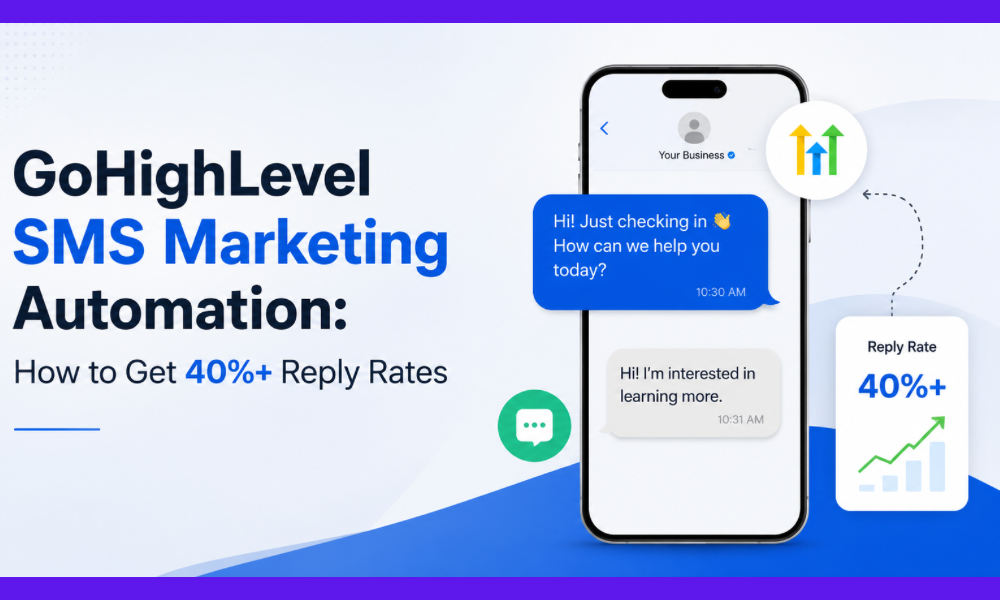
SMS marketing can be one of the fastest ways to start a real conversation with a lead. Unlike emails that may sit unopened for hours or days, text messages are often seen quickly. But sending more messages does not automatically produce more replies.
In fact, poorly planned SMS automation can have the opposite effect. Generic messages, excessive follow-ups, bad timing, and irrelevant offers can cause contacts to ignore future communication or opt out completely.
A strong GoHighLevel SMS strategy isn’t just about sending automated texts. It is to create conversations that feel timely, relevant, and easy to respond to.
A 40%+ reply rate is not guaranteed and will vary based on audience quality, industry, offer, timing, consent, and message quality. However, businesses can significantly improve engagement by combining proper segmentation, conversational messaging, intelligent follow-up, and well-designed automation.
With the right strategy, SMS can become more than another broadcast channel. It can become a practical bridge between lead generation and actual sales conversations.
Start With the Quality of Your Leads
Reply rates often begin declining before the first SMS is even sent.
If leads are poorly targeted, outdated, or never genuinely interested in the business, automation cannot magically create engagement.
The strongest SMS campaigns begin with qualified leads who have taken a meaningful action. They may have submitted a form, requested information, booked an appointment, downloaded a resource, or responded to an offer.
The more relevant the original interaction, the easier it becomes to create a meaningful follow-up message.
A ghl automation specialist can help structure workflows around real customer actions rather than sending the same sequence to every contact in the database.
Send the First Message While Interest Is Still Fresh
Timing plays a major role in SMS engagement.
If someone submits a form and receives a message several days later, they may no longer remember the business or the offer that interested them.
A timely first message creates continuity.
The contact takes an action, and the business responds while the context is still clear.
For example, instead of sending a generic message saying, “Hello, how can we help you?” the follow-up can reference the action the person just completed.
This makes the communication feel connected to their actual interest.
Make the Message Sound Like a Person Wrote It
One of the biggest mistakes in SMS automation is writing messages that sound obviously automated.
Long paragraphs, formal language, excessive branding, and multiple links can make a text feel more like an advertisement than a conversation.
SMS works best when the message feels natural.
Short, clear language is often more effective. The recipient should immediately understand who is contacting them and why.
A conversational message also makes replying easier.
Instead of making the contact click through several pages, ask a simple question they can answer directly.
Ask Questions That Are Easy to Answer
A message that asks too much from the recipient may receive fewer replies.
For example, asking someone to explain their entire business challenge through SMS creates work for them.
A simple question is easier.
Questions such as whether they are still interested, whether they would like more information, or which option they prefer can create a low-friction starting point.
The purpose of the first reply is often not to close the sale.
It is to start the conversation.
Once the person responds, the sales or support team can better understand their needs.
Segment Contacts Before Starting Automation
Not every lead should receive the same SMS.
A new prospect has different needs from an existing customer. Someone who attended a consultation is different from someone who downloaded a guide.
Segmentation allows businesses to create communication based on context.
GoHighLevel can help organize contacts according to their actions, pipeline position, tags, custom fields, appointments, and other relevant information.
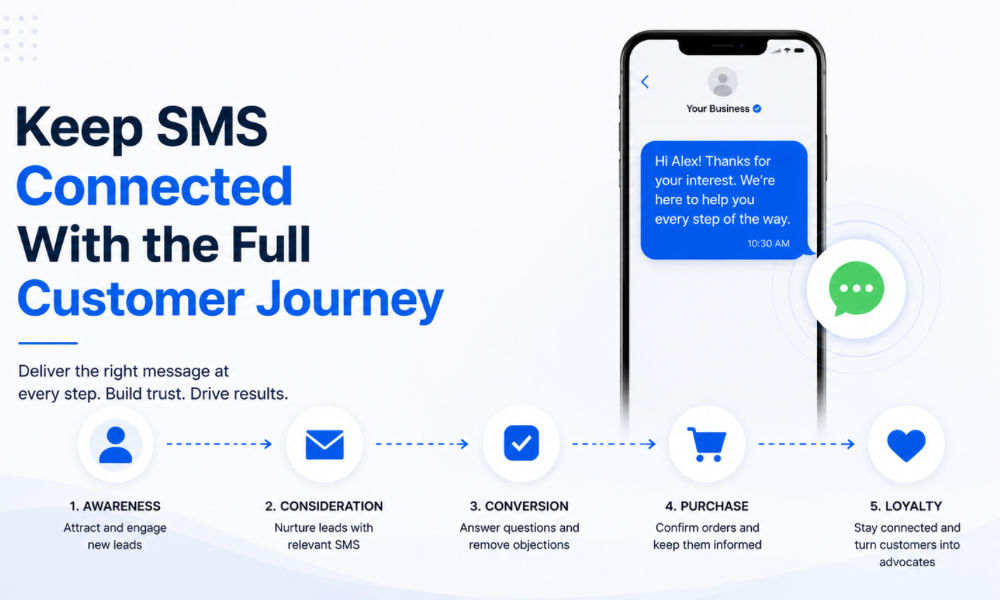
This means the message can reflect where the person actually is in the customer journey.
The more relevant the communication, the greater the likelihood that the recipient will consider responding.
Use Automation Without Removing the Human Element
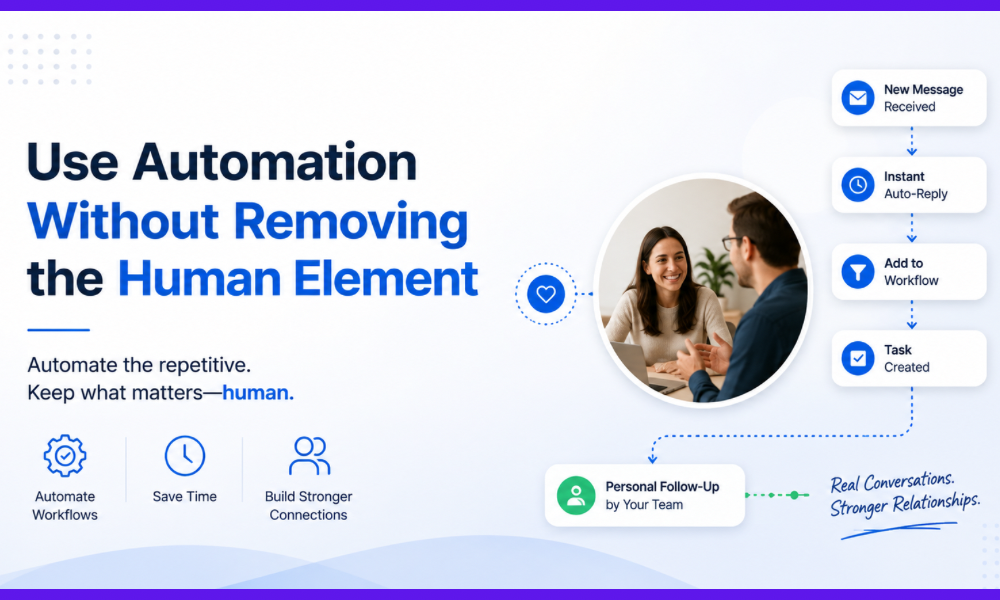
Automation should handle repetitive processes, not eliminate human communication.
For example, a workflow can automatically send the first message after a lead submits a form. It can also send reminders when no response is received.
But when a lead replies with a detailed question, the conversation may need to move toward a real person.
A good workflow knows when to automate and when to involve the team.
This balance is important for maintaining both efficiency and trust.
Create a Clear SMS Follow-Up Sequence
Many leads do not reply to the first message.
That does not always mean they are uninterested. They may have been busy, distracted, or planning to respond later.
A structured follow-up sequence can provide another opportunity to reconnect.
However, follow-ups should not simply repeat the same message.
Each message should provide a reason to continue the conversation.
One message may ask a simple question. Another could address a common concern. A later message may offer an appointment or useful resource.
The sequence should feel like a conversation progressing rather than a system repeatedly asking for attention.
Avoid Sending Too Many Messages
More messages do not necessarily mean more engagement.
If contacts receive frequent texts without clear value, they may stop reading them.
The ideal frequency depends on the type of business and the context in which the person opted in.
A lead who requested immediate assistance may expect faster communication than someone who signed up for a general newsletter.
Businesses should design workflows around customer expectations rather than maximizing the number of automated sends.
Use Appointment Reminders Strategically
SMS can be particularly effective for appointment communication.
A confirmation message can reassure the customer that the booking was successful. A reminder can reduce missed appointments. A follow-up can provide an opportunity to reschedule if the customer cannot attend.
Automation can manage these steps consistently.
The key is to make each message useful.
Customers should receive information that helps them take action rather than unnecessary promotional messages disguised as reminders.
Personalization Should Go Beyond First Names
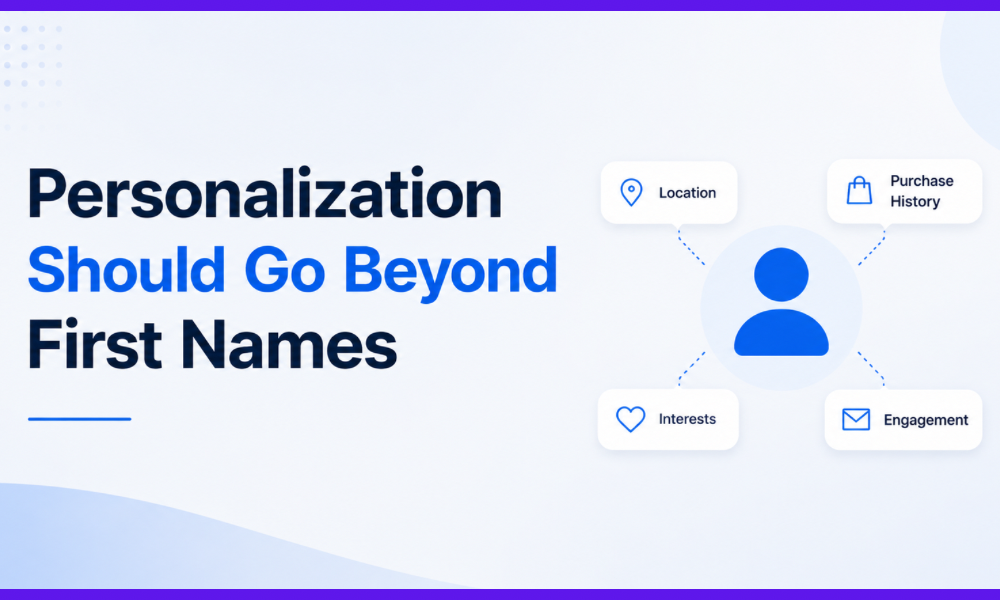
Adding a first name to a text message is useful, but true personalization involves context.
A stronger message can reference the service the lead asked about, the appointment they booked, or the stage of the process they are currently in.
For example, a lead interested in one service should not receive the same follow-up as someone who requested information about a completely different service.
This is where CRM data and workflow design become important.
A gohighlevel expert team can help businesses organize the information needed to create more relevant automated communication.
Build Workflows Around Customer Behavior
Behavior-based automation can be more effective than fixed sequences.
Instead of sending every lead five messages regardless of what happens, the workflow can adapt.
If the lead replies, stop the general follow-up sequence.
If they book an appointment, move them into appointment communication.
If they become a customer, remove them from prospect-focused campaigns.
This reduces unnecessary messaging and creates a more logical experience.
Use Internal Notifications to Improve Response Speed
Reply rates are only one part of SMS performance.
Businesses also need to respond effectively after a lead replies.
If someone responds positively but waits several hours or days for a human answer, the conversation may lose momentum.
GoHighLevel workflows can notify the appropriate team member when a response arrives.
Internal alerts can also help ensure that conversations are assigned to the right person.
A fast and relevant response can make a significant difference in lead conversion.
Test Different Message Styles
There is no single SMS template that works for every audience.
Some prospects may respond better to direct questions. Others may prefer a more informative approach.
Testing can help identify what works.
Businesses can compare opening lines, question formats, timing, follow-up intervals, and calls to action.
However, testing should be structured.
Changing every part of a message at once makes it difficult to understand what caused the performance difference.
Small, controlled changes can produce clearer insights.
Review Your Offer Before Blaming the Automation
Sometimes poor SMS performance is not an automation problem.
The underlying offer may simply be weak or unclear.
If recipients do not understand why they should respond, better workflow logic will have limited impact.
Review the offer from the customer’s perspective.
Is the value clear? Does the message connect with the action they previously took? Is the next step simple?
Automation can improve delivery and consistency, but it cannot compensate for an offer that does not interest the target audience.
Keep SMS Connected With the Full Customer Journey
SMS should not operate separately from email, calls, appointments, and CRM activity.
A lead may open an email, ignore an SMS, then schedule an appointment through a landing page.
The CRM should help create a complete view of these interactions.
When channels work together, businesses can avoid repetitive or contradictory communication.
For example, someone who has already booked a call should not continue receiving messages asking whether they would like to schedule one.
Why Workflow Design Matters
The workflow behind an SMS campaign can become surprisingly complex.
Triggers, conditions, delays, responses, tags, pipeline stages, appointment events, and internal notifications all need to work together.
Poor workflow design can create problems such as duplicate messages, contacts entering multiple sequences, or customers receiving irrelevant communication.
This is why businesses may choose to work with a ghl automation specialist when building larger automation systems.
The objective is not just to make the workflow run. It is to make sure it reflects the actual customer journey.
When to Hire a GoHighLevel Consultant
Some businesses can create simple SMS workflows internally.
However, requirements become more complicated when multiple pipelines, campaigns, teams, and customer segments are involved.
Businesses may choose to hire gohighlevel consultant when they need help auditing existing workflows, improving automation logic, or designing a more structured communication system.
An external consultant can also provide a fresh perspective on processes that have become unnecessarily complicated over time.
The Value of Expert Configuration
If workflows are a major part of lead generation and sales, configuration mistakes can become costly.
A business may accidentally send duplicate communication, fail to stop campaigns after conversion, or miss important internal notifications.
Choosing to hire a gohighlevel expert can help businesses review the technical structure and identify potential workflow issues before they affect a larger audience.
The value comes from understanding how CRM data, automation triggers, and customer behavior should work together.
Working With Local and Specialized Expertise
Some businesses prefer working with specialists who understand their market and can collaborate closely with internal teams.
For example, companies searching for gohighlevel experts toronto may be looking for regional expertise alongside technical GoHighLevel knowledge.
However, location should not be the only factor.
Businesses should evaluate experience, communication, workflow knowledge, problem-solving ability, and familiarity with their industry.
The best specialist is one who understands both the platform and the business process being automated.
Track More Than Reply Rate
A high reply rate can be encouraging, but it does not always mean the campaign is successful.
Some replies may be negative. Others may be unrelated to purchasing.
Businesses should also track qualified conversations, booked appointments, conversion rates, response time, opt-outs, and revenue outcomes.
This provides a clearer understanding of whether SMS is contributing to actual business growth.
The goal should be meaningful engagement, not simply activity.
Respect Consent and Communication Requirements
SMS marketing involves customer communication preferences and applicable legal or platform requirements.
Businesses should ensure that contacts are appropriately opted in and that communication practices comply with applicable rules in the relevant market.
Opt-out requests should also be handled properly.
Respecting communication preferences is not only a compliance consideration. It is also part of building trust.
A person who wants to stop receiving messages should not have to struggle to make that happen.
A Practical Framework for Improving SMS Engagement
The strongest SMS automation strategies usually begin with quality leads and a clear trigger.
The first message should arrive while the interaction is still relevant. The wording should feel conversational, and the recipient should have an easy way to respond.
Segmentation should ensure that contacts receive messages connected to their actual situation.
Follow-ups should add value rather than repeat the same request. Workflows should stop or change when the customer’s behavior changes.
Finally, the business needs to respond quickly when a real conversation begins.
This creates a system that combines automation with genuine customer interaction.
GoHighLevel SMS automation can become a powerful tool for lead engagement when it is designed around conversations rather than message volume.
The goal should not be to send as many texts as possible. It should be to send the right message to the right person at a relevant moment and make responding easy.
A 40%+ reply rate can be an ambitious benchmark depending on the audience and campaign, but better segmentation, stronger offers, fast follow-up, and thoughtful workflow design can significantly improve engagement.
A ghl automation specialist can help businesses structure complex workflows, while companies may hire gohighlevel consultant support when they need strategic guidance or workflow audits. Businesses with advanced requirements may also choose to hire a gohighlevel expert or work with a skilled gohighlevel expert team to connect CRM activity, automation, and customer communication.
For organizations specifically seeking regional support, searches for gohighlevel experts toronto may help identify professionals who combine platform expertise with local collaboration.